Be Your Own Auditor: A DIY Home Security Checklist
In 2026, you don't need to be a certified professional to significantly harden your home security. You just need a systematic approach to identifying and neutralizing risks. Think of your home as a collection of entry points—each one needs its own lock.
Phase 1: The Asset Inventory
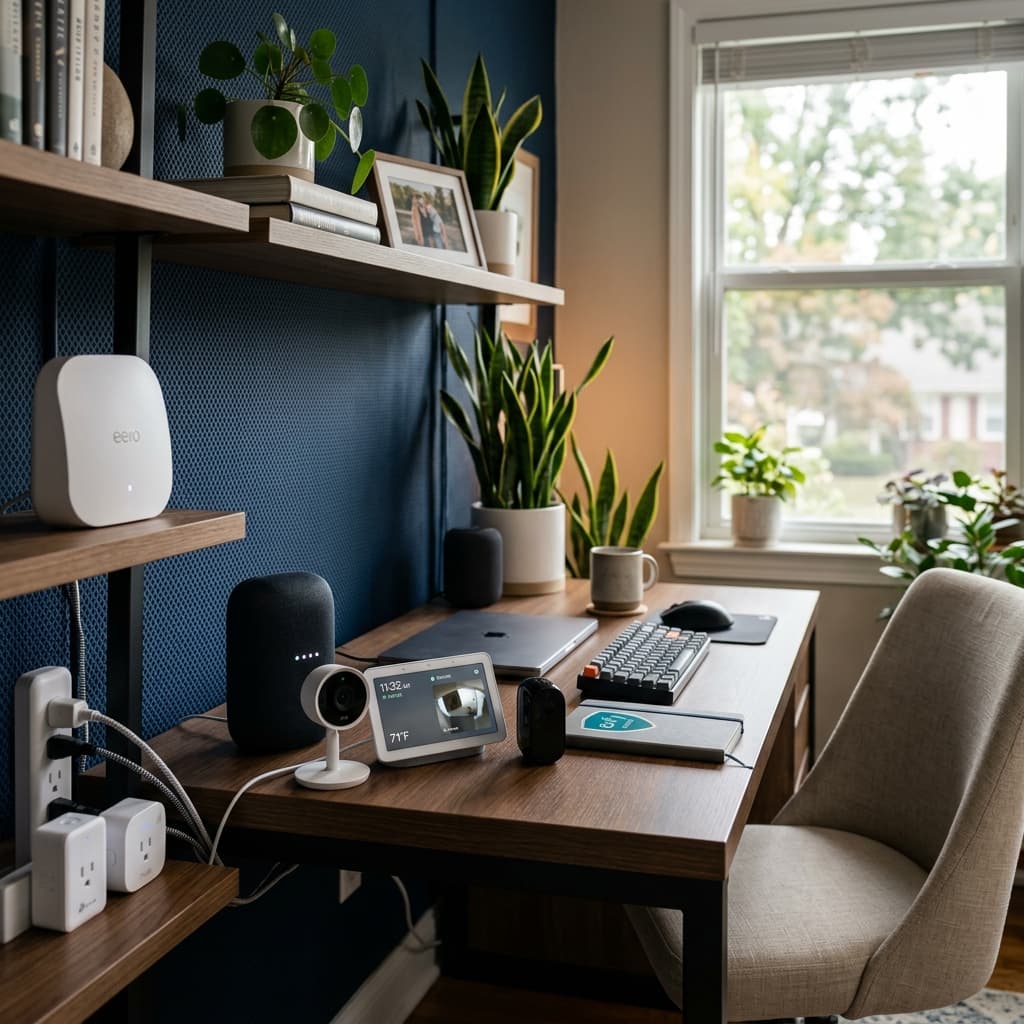
You can't protect what you don't know exists. Walk through your house and list every single device with an IP address. You'll likely be surprised by how many 'forgotten' devices are lurking on your network—from that old smart scale in the bathroom to the gaming console in the guest room. Each one is a potential backdoor if left unmanaged.
Phase 2: The Maintenance Sweep
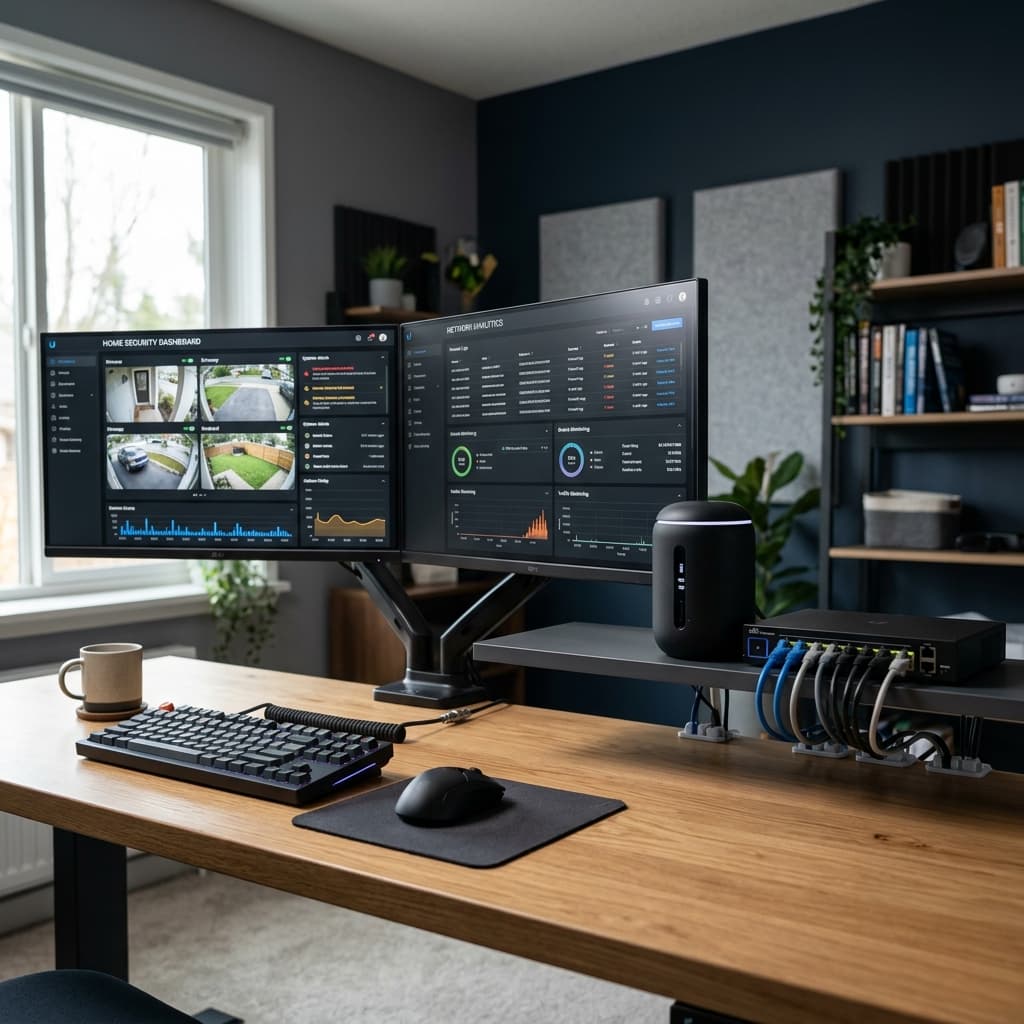
Once you have your list, it's time to log into your router and verify every connection. Update every operating system and every piece of firmware you find. In the 2026 threat landscape, an unpatched device is essentially an open door for automated exploit scripts. Routine maintenance is the single most effective way to block the majority of common attacks.
Phase 3: The Identity Audit
Finally, audit your credentials. If you're still reusing passwords across multiple sites, you're at massive risk of a credential stuffing attack. Use tools like HaveIBeenPwned to check for leaks, and move all your accounts to a dedicated password manager. Ensure every important service is protected by a unique, 20+ character string and hardware-based Multi-Factor Authentication.