Physical Perimeters: The Argument for Hardware Firewalls
Software-based protection like the built-in Windows firewall is a good start, but it's often not enough for a growing office. To truly secure your headquarters or a remote branch, you need a physical barrier that handles traffic before it even touches your machines. In today's landscape, this means choosing between traditional stateful firewalls and Next-Generation Firewalls (NGFW).
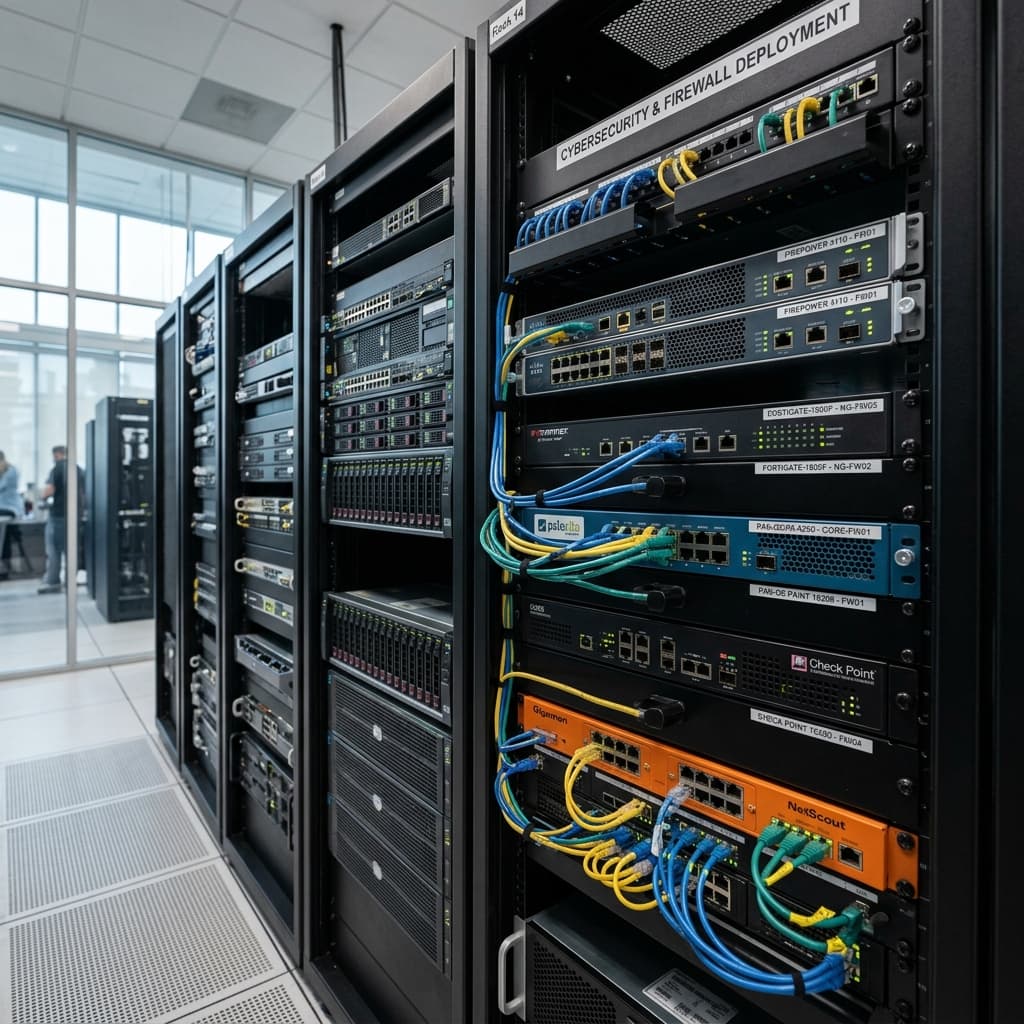
While traditional firewalls focus on IP addresses and ports, NGFWs perform Deep Packet Inspection (DPI). They look inside the traffic for malware signatures and can even inspect encrypted SSL data on the fly. Here are five of the best appliances to consider for a secure office setup in 2026.
1. Fortinet FortiGate 40F
Fortinet is the benchmark for the SMB market. Their 40F model uses custom ASICs to process security rules extremely fast without creating a bottleneck. It's a full Unified Threat Management (UTM) solution, though you'll need an active subscription to keep the intelligence database updated.
2. Firewalla Gold Plus
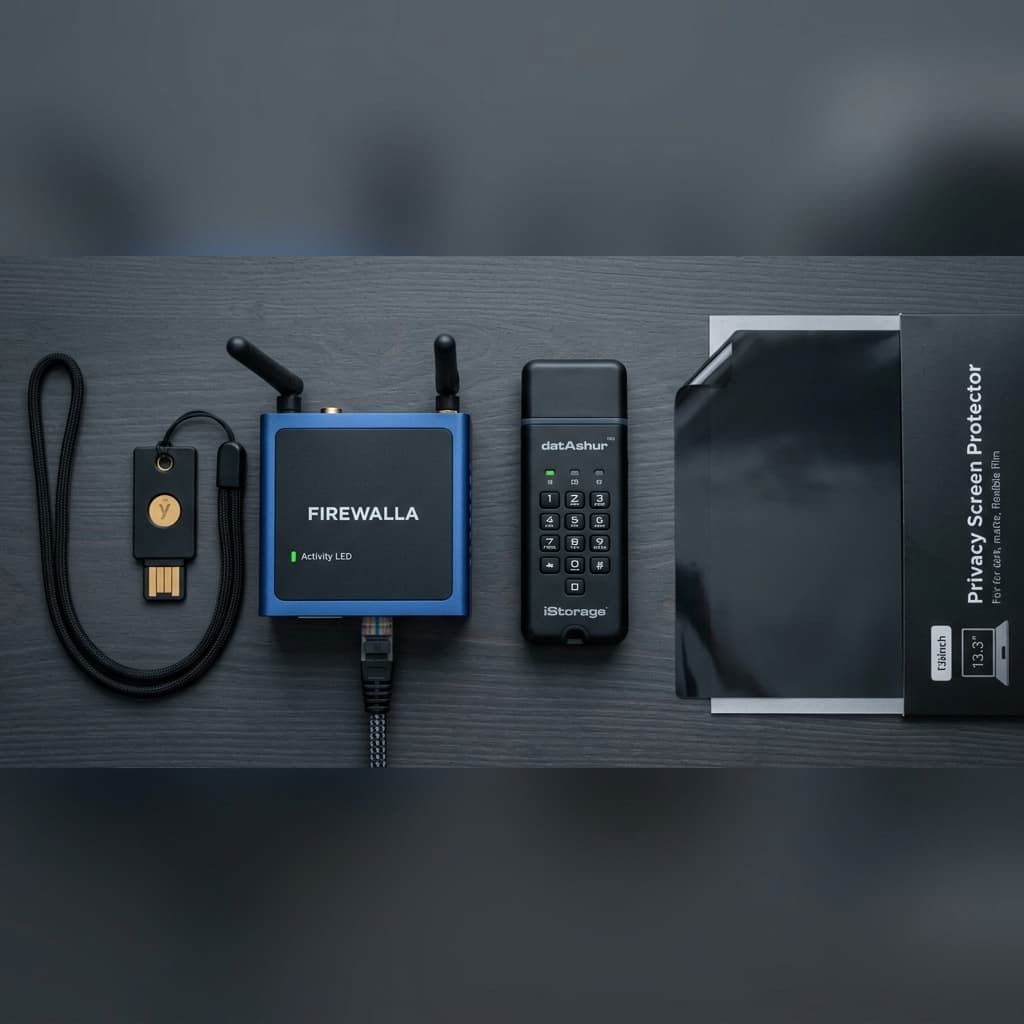
If you want enterprise-grade power without the annual 'subscription tax' typical of big vendors, Firewalla is a stellar choice. It offers multi-gigabit throughput and a very capable intrusion detection system, all managed through a sleek mobile interface that actually makes network security accessible.
3. Palo Alto Networks PA-400 Series
Palo Alto is essentially the high-end choice. Their PA-400 series brings their elite machine-learning threat prevention down to a smaller form factor. It's significantly more expensive than others on this list, but if your priority is absolute zero-day prevention, this is the gold standard.
4. Ubiquiti UniFi Cloud Gateway Ultra
For those already in the UniFi ecosystem, this is the most logical step. It integrates your firewall, switching, and access points into one beautiful dashboard. While perhaps not as granular as a FortiGate, its ease of use is a major advantage for smaller teams.
5. Netgate 4200 (pfSense Plus)
This is for the technical team that wants total control. Netgate appliances run pfSense, an open-source platform that can match the routing power of gear costing ten times more. It takes more work to set up, but it avoids vendor lock-in entirely.