Modernizing Your SMB Security: Beyond Basic Antivirus
Traditional antivirus is essentially obsolete. Relying on simple signature-based detection is like trying to stop a modern flood with a picket fence. In today's landscape, you need more than a list of known 'bad' files. You need behavior-based protection: EDR (Endpoint Detection and Response) and MDR (Managed Detection and Response).
When looking at the top options for 2026, the conversation usually centers on two industry leaders: CrowdStrike Falcon and SentinelOne Singularity. Let's break down which one actually fits an SMB's operational reality.
CrowdStrike Falcon: The Lightweight Powerhouse
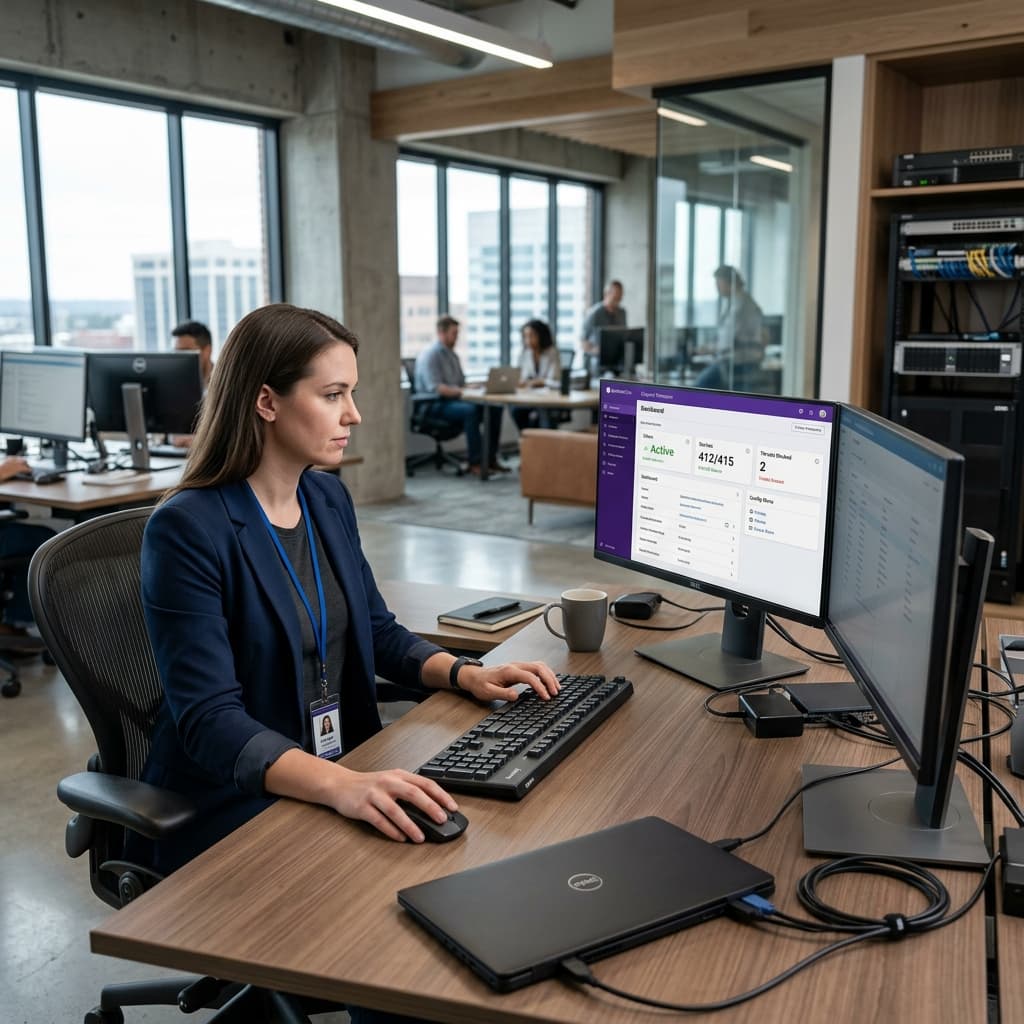
CrowdStrike moved the security stack to the cloud early. Their agent is incredibly thin, which means it doesn't slow down older office machines. The real selling point is their 'OverWatch' team—a group of humans who actively hunt for anomalies in your traffic while the software does its work. It's premium protection, but the complexity can be high for small IT outfits.
SentinelOne Singularity: Autonomous Defense
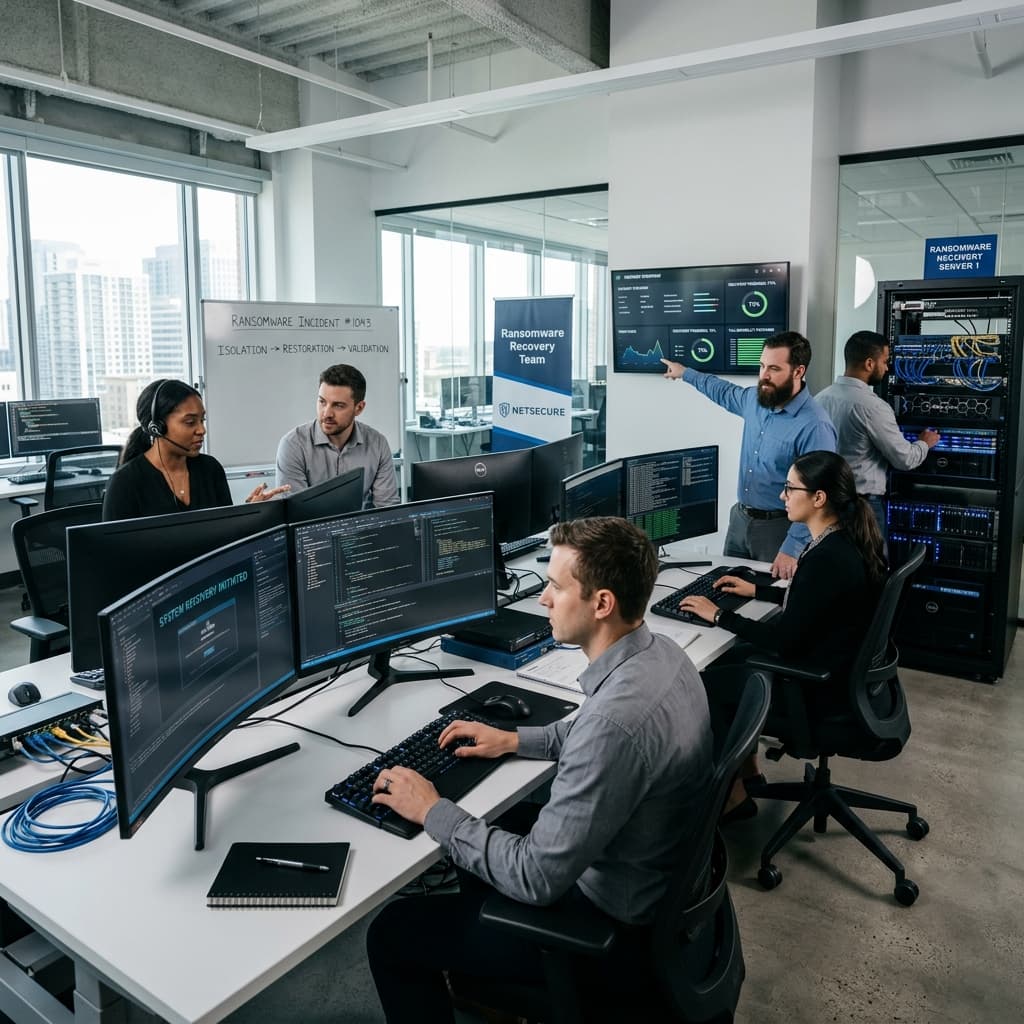
SentinelOne relies on local AI models, meaning it can kill threats even if the machine is offline. For home offices with spotty connections, this is a game-changer. Their standout feature is 'One-Click Rollback'—if ransomware managed to encrypt files, the software can technically undo the damage by restoring from a local shadow copy.
Is MDR Worth the Subscription??
Raw software is rarely enough for a startup. Unless you have a dedicated 24/7 security team, you're better off paying for MDR—Managed Detection—where the vendor handles the alerts for you. This typically runs between $50 and $120 per endpoint annually. It's an extra cost, but compared to the price of a full-scale forensic cleanup, it's cheap insurance.