Protecting the Perimeter: Why Your Router Needs a VPN
Using a VPN app on your laptop is great, but what about your smart TV, your gaming console, or your smart fridge? These 'un-appable' devices are often the weakest links in your home security. A VPN router solves this by encrypting all traffic at the source, effectively creating a blanket of privacy for every single device in your house.
The Speed Barrier: Why WireGuard Matters
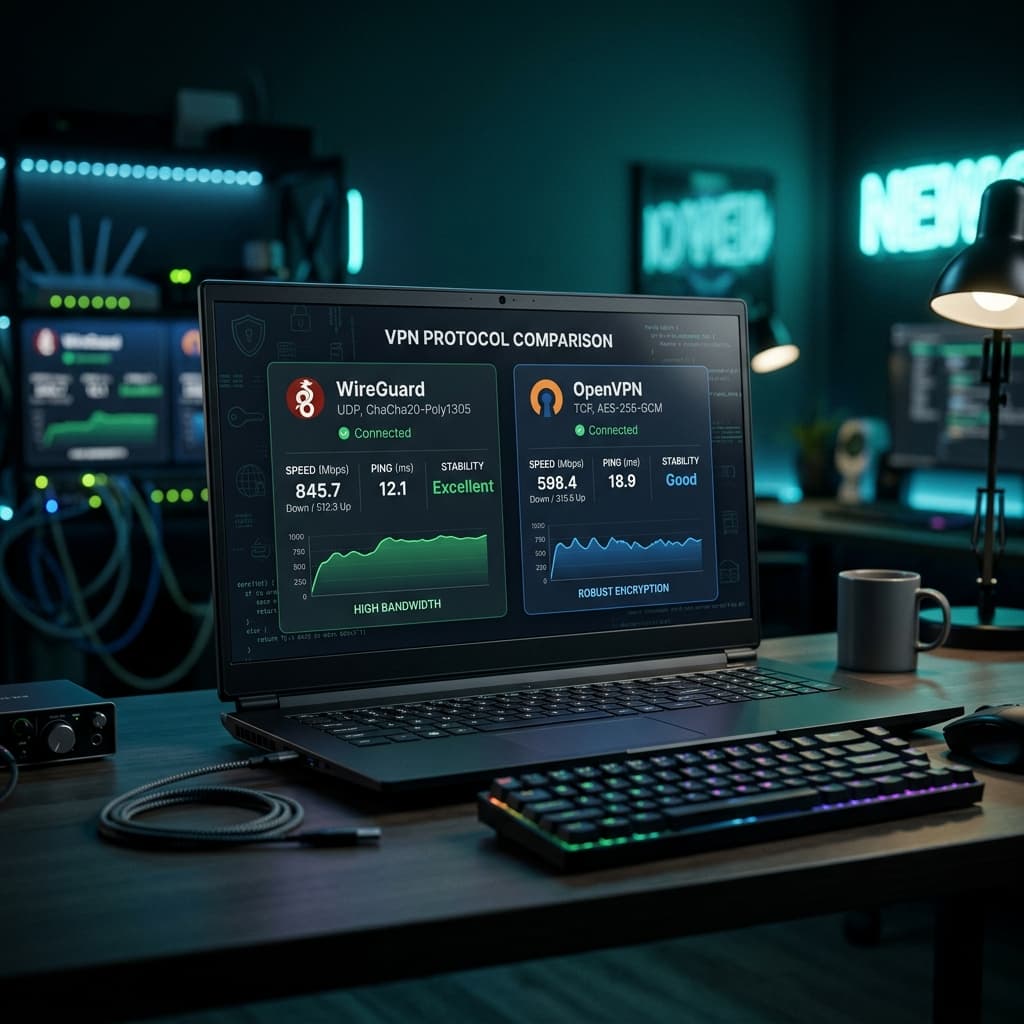
In the past, VPN routers were notoriously slow because encryption is a heavy task for a router's CPU. However, in 2026, the shift to the WireGuard protocol has changed the game. WireGuard is significantly more efficient than the older OpenVPN standard, allowing modern routers to handle high-speed fiber connections without breaking a sweat.
Our Top Picks for a Secure Gateway
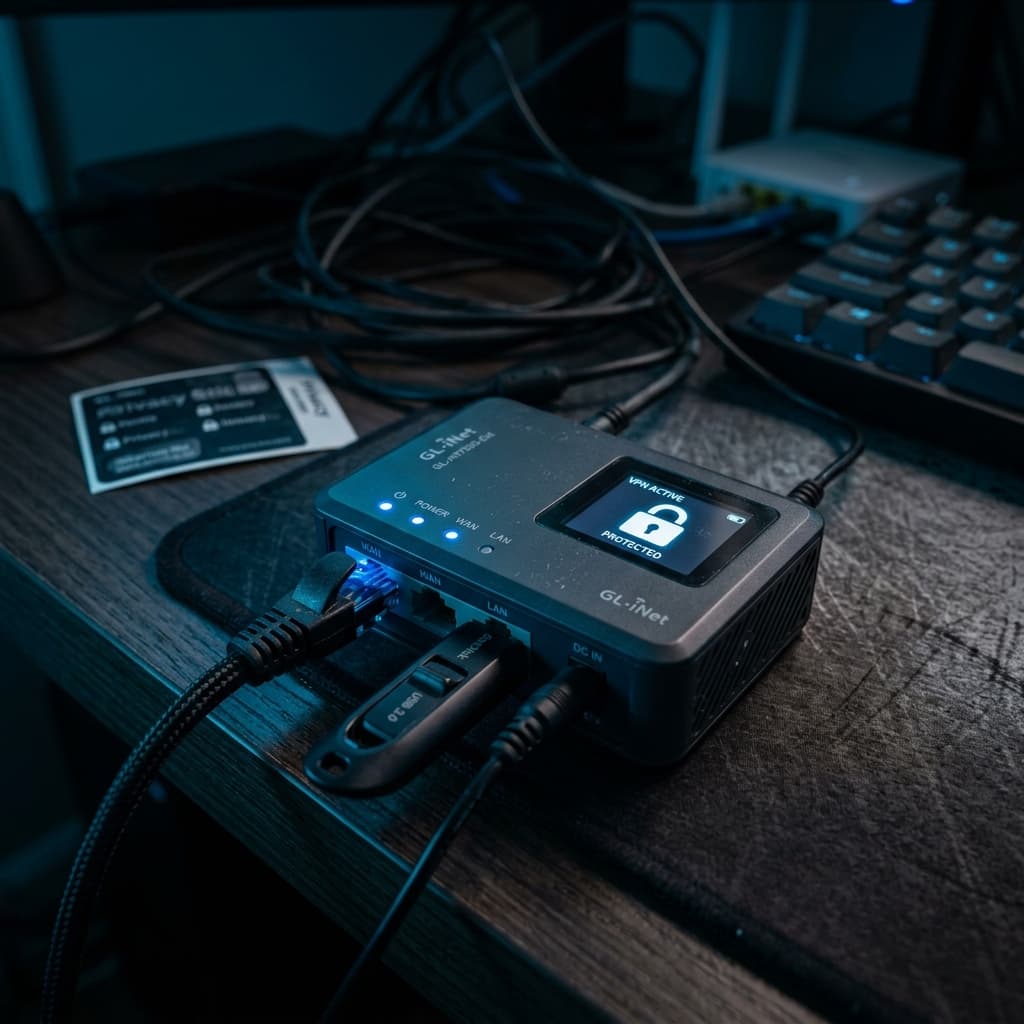
GL.iNet Flint 2: This is our top recommendation for privacy enthusiasts. It runs on open-source firmware and can hit impressive speeds with WireGuard support built directly into the core. It's affordable and extremely capable.
ASUS RT-AX88U Pro: ASUS offers a feature called 'VPN Fusion' which is a lifesaver for families. It lets you decide which devices go through the VPN (like your work laptop) and which stay on the ISP connection (like your Xbox, to keep latency low for gaming).
The Bottom Line
If you're serious about your digital footprint, a VPN router isn't just a gadget—it's foundational. It removes the 'human error' factor of forgetting to turn on your VPN app and ensures that even your most basic devices aren't leaking your location or browsing habits to the world.