The Architecture of Domestic Cyber Defense: Why Your Home is the #1 Target in 2026
The traditional boundaries of the corporate office have effectively dissolved. In the 2025-2026 era, approximately 42% of the global workforce logs in remotely at least once a week, transforming millions of residential living rooms into extensions of the enterprise network. For a small business owner or a remote professional, the home office is no longer just a place of convenience—it is the new front line of global cyberwarfare.
In 2026, the network perimeter is officially declared dead. In its place, identity has become the primary firewall. Data suggests that 75% of detected identity attacks are now malware-free, relying on social engineering, phishing, or stolen credentials rather than traditional viruses. The rise of specialized 'Infostealers' has fueled a new criminal economy focused entirely on harvesting browser-stored session tokens.
AI as the Adversary's Force Multiplier
The most significant driver of change in the current threat landscape is the operationalization of Artificial Intelligence. Attackers now use generative AI to scale their operations with machine precision, creating hyper-personalized phishing emails and perfectly cloning family voices for high-stakes social engineering. Even 'Quishing'—QR code phishing—allows attackers to hide malicious links in physical spaces, bypassing traditional security filters.
Zero Trust: A Mandatory Cultural Shift
In 2026, resilience is built on the Zero Trust principle: Never trust, always verify. This means implementing phishing-resistant MFA like FIDO2 hardware keys (YubiKey) for every single access request. We must also move toward the principle of Least Privilege, granting users only the minimum level of access needed for their specific tasks, and micro-segmenting the home network into isolated zones.
Tactical Hardening: Building Your Home Fortress
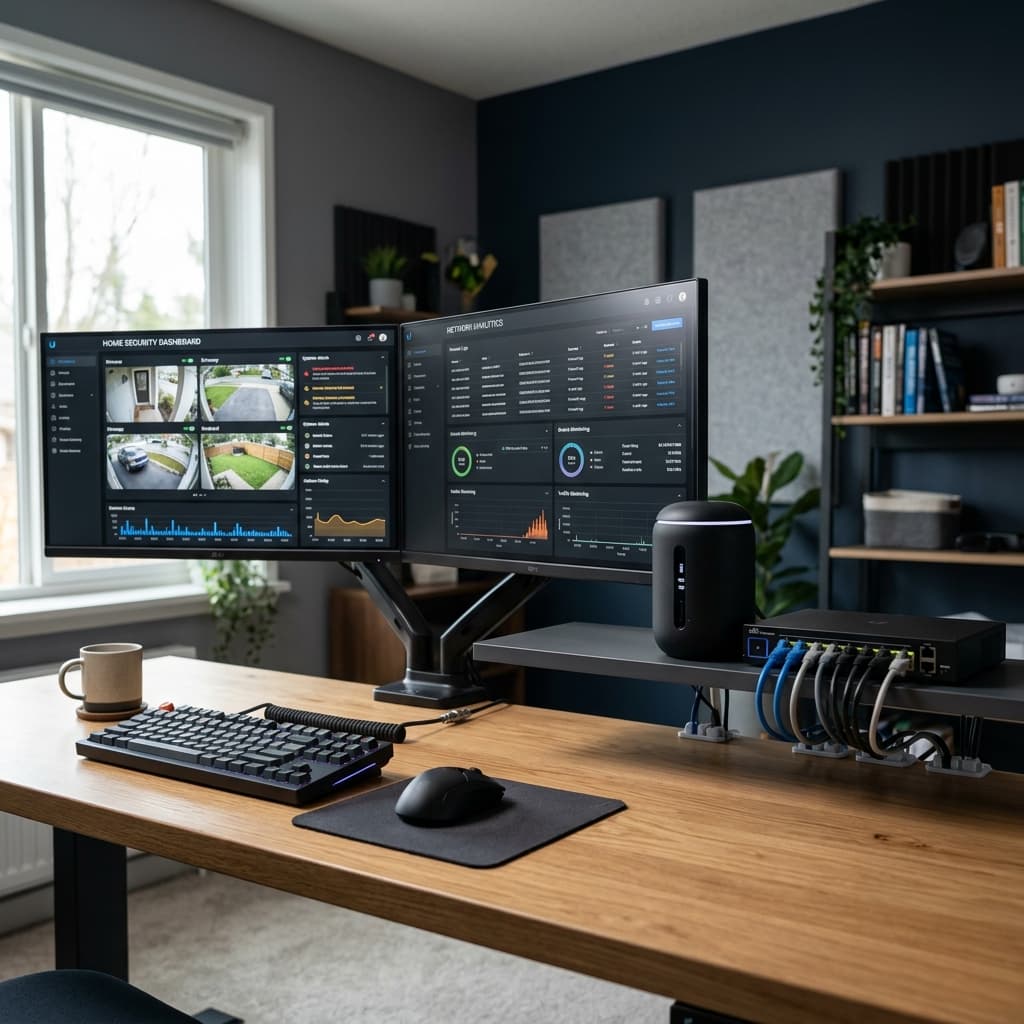
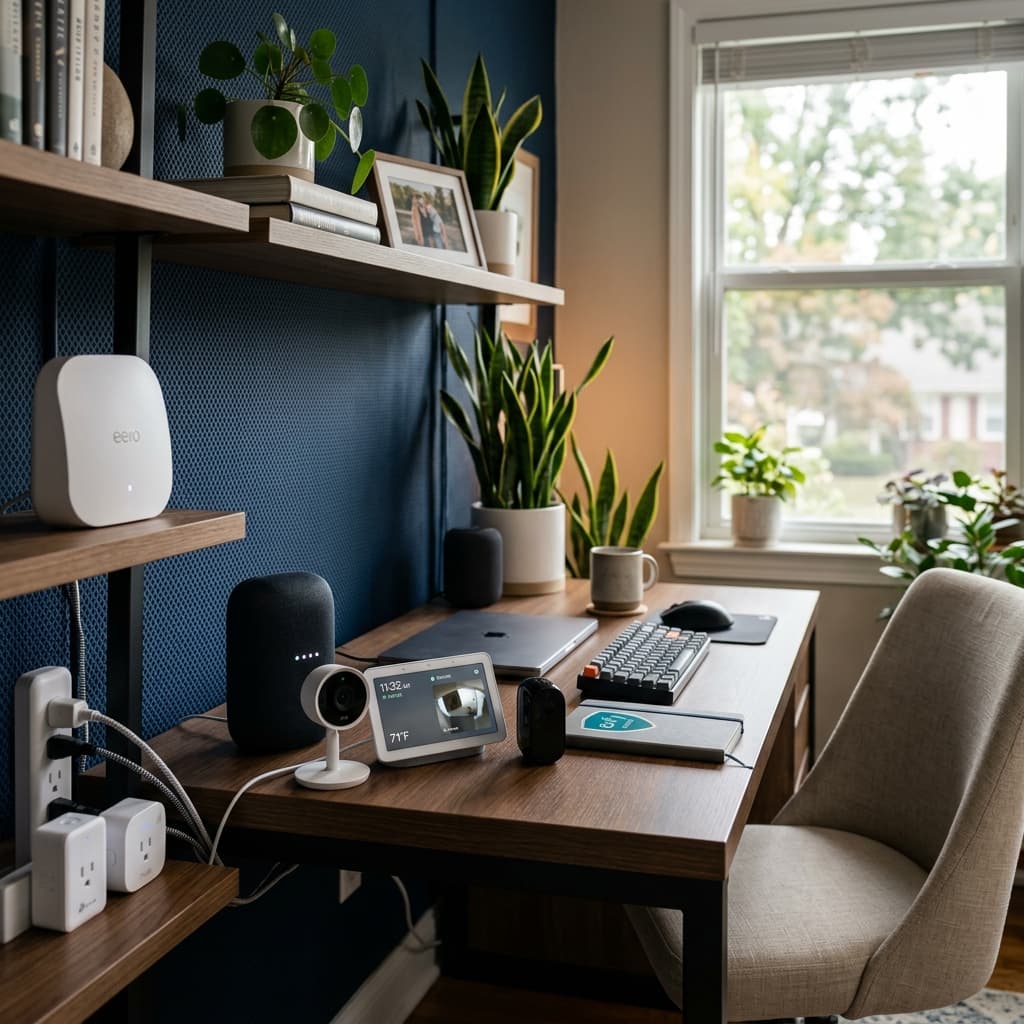
A hardened network layer is essential. We recommend using 'prosumer' hardware like UniFi or Firewalla to create distinct VLANs. Your 'Trusted VLAN' should be reserved for work hardware and primary storage, while an isolated 'IoT VLAN' handles insecure smart devices like light bulbs and cameras. Additionally, shifting from traditional passwords to long, descriptive passphrases (e.g., 'CornFieldRocketBlueGuitar') significantly increases resistance to modern cracking tools.
The Human Factor: The Analog Defense
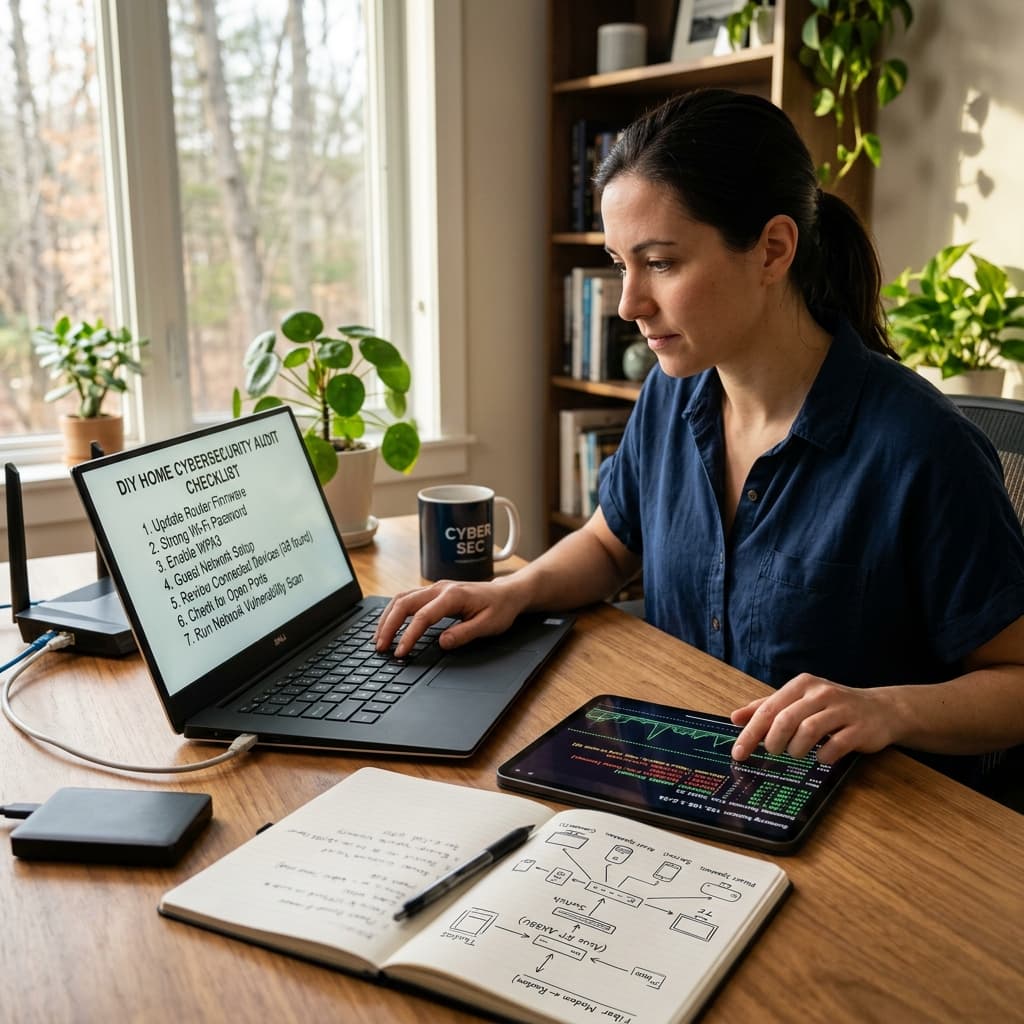
Technology is only half the battle. We strongly advise establishing 'Family Code Words' to counter AI voice cloning—a simple, absurd secret word that must be shared before any urgent financial request is honored. Furthermore, strictly separating Standard and Administrator accounts on your machines and following the 3-2-1 backup rule ensures that even a successful intrusion doesn't lead to a total operational collapse.
Conclusion: Resilience Over Prevention
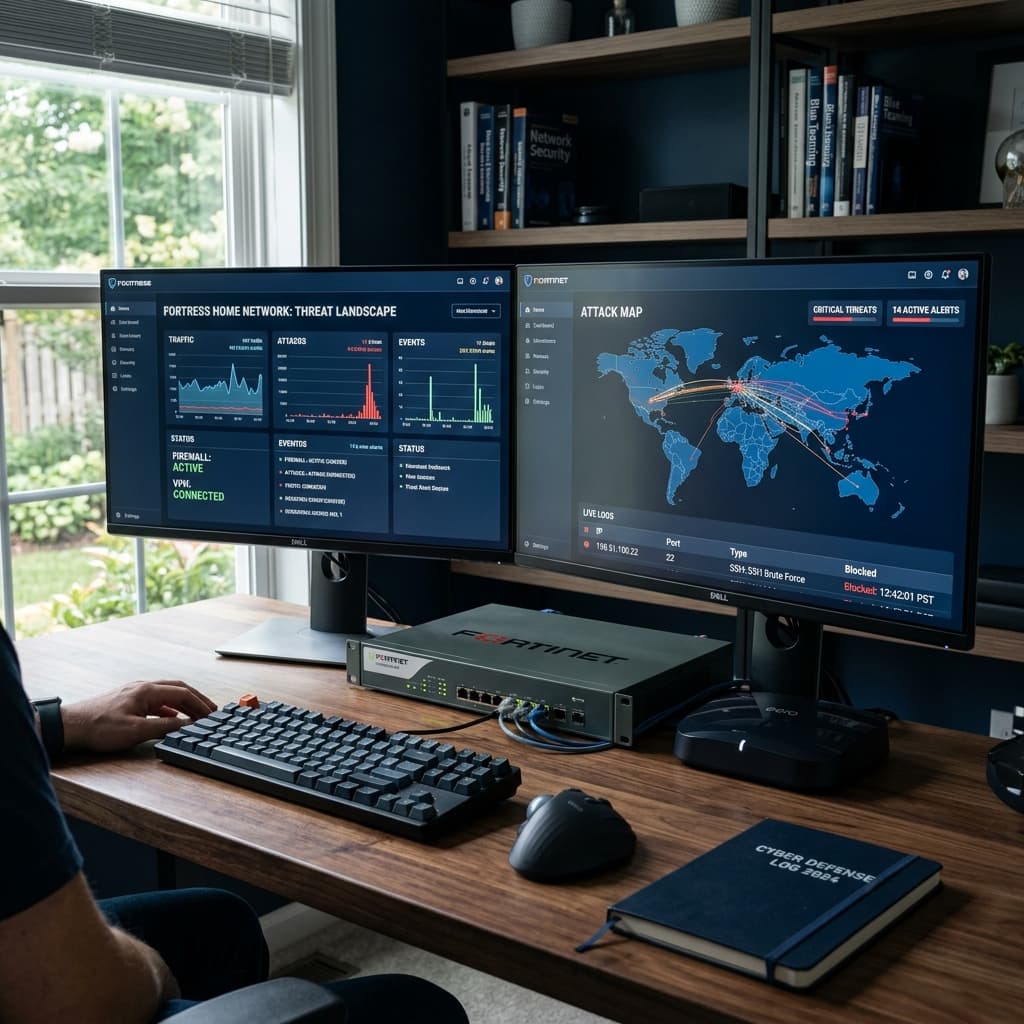
The 2026 landscape acknowledges a hard truth: determined attackers will eventually find a way in. The goal is no longer perfect prevention, but resilience—the ability to detect an intrusion in minutes and recover without paying a ransom. By treating your home office with the same strategic rigor as a corporate headquarters, you transform your network from a soft target into a fortified node in the global digital infrastructure.